
Electric Handling Cart and Rail Handling Cart: Features and Applications
By:Admin
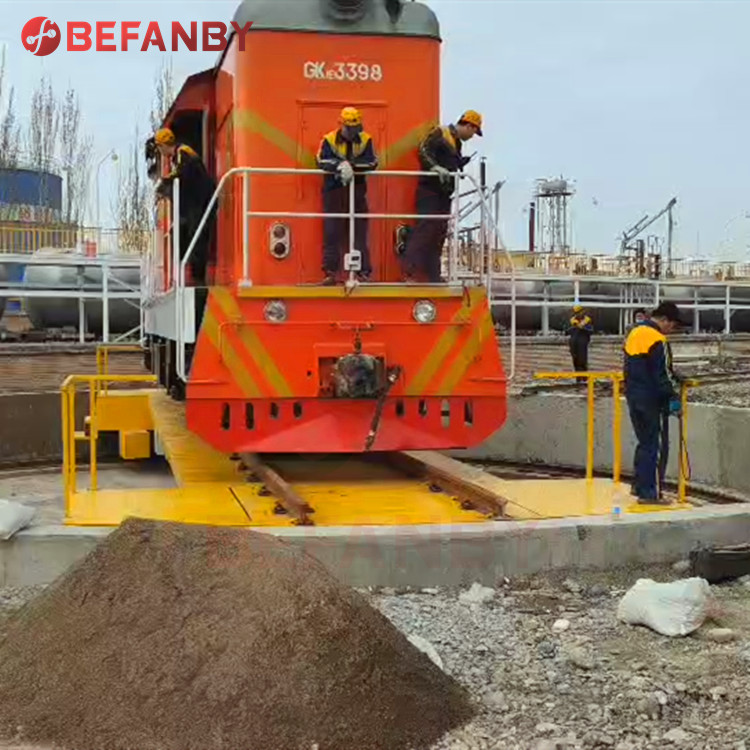
China’s industrial logistics sector is witnessing significant transformation with the introduction and rapid adoption of advanced Electric Handling Carts and Rail Handling Carts. These cutting-edge transportation solutions are revolutionizing material handling processes across factories, warehouses, and manufacturing plants, enhancing efficiency, safety, and sustainability. This news piece explores the latest developments in electric and rail-based handling carts within China, shedding light on how these technologies align with the needs of modern industries.
**Rising Demand for Advanced Material Handling Solutions**
With China’s manufacturing industry continuing to expand and diversify, the demand for efficient material handling systems has grown exponentially. Traditional manual handling methods and outdated transportation vehicles often lead to bottlenecks, increased labor costs, and safety risks. In response, Electric Handling Carts (EHCs) and Rail Handling Carts (RHCs) have emerged as game-changing tools that streamline intra-plant logistics and optimize payload transport.
Electric Handling Carts are battery-powered vehicles designed for transporting heavy loads with minimal human intervention. They provide a clean, quiet, and versatile alternative to diesel or gasoline-fueled forklifts and trucks, making them well-suited for enclosed plants and sensitive environments. Rail Handling Carts, meanwhile, operate on embedded or surface tracks installed within factory premises, ensuring precise routing and stable conveyance of goods along fixed pathways.
**Technological Features Driving Performance**
Modern Electric Handling Carts incorporate intelligent control systems enabling smooth acceleration, deceleration, and navigation. Many of them support remote control or semi-autonomous operation modes, reducing operator fatigue and enhancing workplace safety. Positive features include regenerative braking systems that improve energy efficiency and extended battery life for prolonged usage between charges.
Rail Handling Carts benefit from the inherent advantages of guided motion, reducing the risk of accidents due to errant steering or obstacles. They are often equipped with advanced sensors and PLC (Programmable Logic Controller) integration capabilities, allowing seamless communication with factory automation networks. This integration facilitates synchronized workflows where carts deliver materials precisely when and where needed, minimizing inventory pile-ups and improving production cycles.
**Environmental and Economic Benefits**
One of the driving factors behind the adoption of electric and rail handling carts in China is their positive environmental impact. Unlike traditional internal combustion engines, electric carts produce zero on-site emissions, contributing to improved air quality inside plants and compliance with increasingly stringent environmental regulations. Moreover, the decreased noise pollution creates a more pleasant working atmosphere.
From an economic standpoint, although initial investment costs for electric and rail carts may be higher compared to conventional vehicles, the total cost of ownership tends to decline over time. Reduced fuel consumption, lower maintenance requirements, and enhanced operational reliability contribute to cost savings. Furthermore, automation capabilities can lead to labor cost reductions and higher throughput, increasing overall profitability.
**Industry Applications and Case Examples**
Electric Handling Carts and Rail Handling Carts find use across a wide range of industries, including automotive manufacturing, electronics assembly, steel production, food processing, and pharmaceuticals. In automotive plants, for instance, rail handling carts move heavy components such as engines and chassis frames effortlessly along predefined routes, integrating smoothly with assembly line operations. Electronics factories benefit from customizable electric carts that transport delicate items without vibration damage.
A noteworthy example from the steel industry demonstrates how installing a fleet of electric handling carts improved internal material transport efficiency by 30%, while reducing workplace injuries related to manual handling. Similarly, several logistics warehouses report faster turnaround times and more accurate inventory management after switching to automated rail cart systems.
**Challenges and Future Developments**
While the advantages are evident, some challenges remain in widespread deployment. Infrastructure investment for rail installations can be substantial, requiring careful planning to ensure flexibility and scalability. Battery technology, though improving continuously, still needs advancements in energy density and charging speed to meet demands of high-intensity operations.
Nonetheless, ongoing research in battery chemistry, AI-driven navigation, and IoT connectivity promises a new generation of handling carts with enhanced autonomy, predictive maintenance, and integration into the broader smart factory ecosystems. These innovations will enable real-time data collection and analytics, empowering managers with actionable insights to optimize logistics further.
**Company Introduction**
Leading the charge in this field is [Company Name], a pioneering manufacturer and supplier specializing in Electric Handling Carts and Rail Handling Carts tailored to diverse industrial requirements. Established with a commitment to innovation and quality, the company leverages state-of-the-art engineering and customer-centric design principles to develop robust, reliable, and cost-effective handling solutions.
With a professional R&D team and advanced production facilities, [Company Name] offers a wide range of cart models featuring modular designs that accommodate various payload capacities and operational conditions. The company provides end-to-end services from system consultation and customization to installation, maintenance, and after-sales support, ensuring clients achieve maximum return on investment.
Dedicated to sustainability and technological excellence, [Company Name] continuously invests in improving energy efficiency, safety features, and integration with automated factory environments. Its solutions have been successfully deployed across multiple sectors, earning recognition for enhancing productivity and reducing environmental footprints.
**Outlook**
As China accelerates toward Industry 4.0 and green manufacturing initiatives, Electric Handling Carts and Rail Handling Carts will play increasingly vital roles. Their contribution to safer workplaces, efficient material flows, and reduced emissions aligns perfectly with national development goals.
Manufacturers and logistics providers seeking competitive advantages should closely consider adopting these advanced handling systems. With trusted partners like [Company Name], they can navigate the transition smoothly, unlocking new levels of operational excellence and sustainability.
In conclusion, the future of industrial material handling in China is electric and rail-guided. Embracing this technology today ensures enterprises remain resilient, innovative, and ahead in the global manufacturing arena.